How to Build an Emergency Fund on a Tight Budget
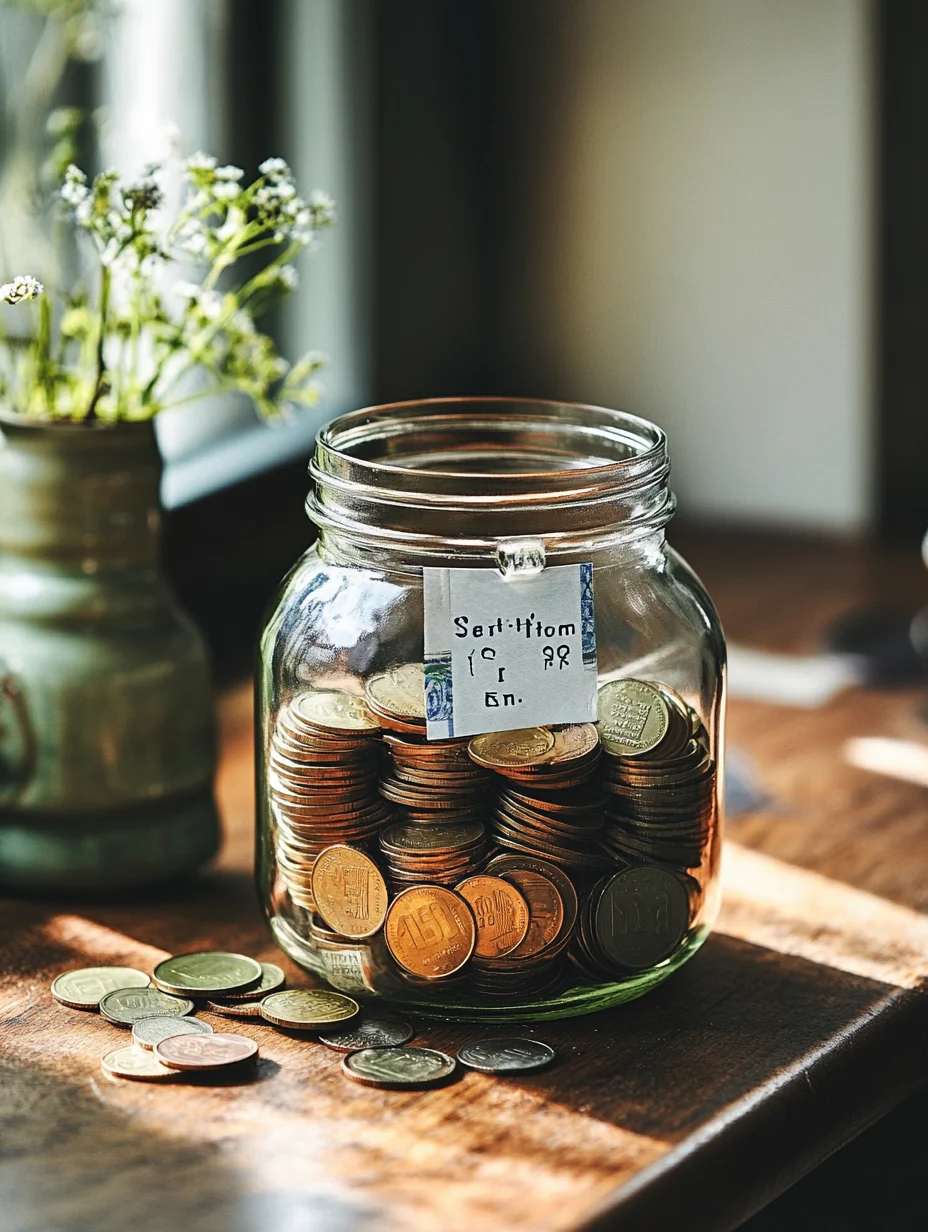
Why Every American Needs an Emergency Fund
Financial experts universally agree that an emergency fund is the single most important foundation of personal financial security. Yet surveys consistently show that a large percentage of American adults would struggle to cover an unexpected $400 expense without resorting to borrowing or selling something. This gap between knowing what is important and actually achieving it often comes down to one barrier: people believe they cannot afford to save when their income barely covers monthly necessities.
The truth is that building an emergency fund on a tight budget is not only possible — it is essential precisely because tight budgets are the most vulnerable to financial disruption. When you live paycheck to paycheck, even a minor unexpected expense can create a cascade of financial problems: a bounced check triggers overdraft fees, which causes a missed bill payment, which generates a late fee, and suddenly a $200 problem has become a $500 crisis.
Setting a Realistic Target
Your first target should be $500. This amount covers the majority of minor emergencies — a car repair, a medical copay, a broken appliance. Research shows that having even $500 in emergency savings dramatically reduces the likelihood of falling into a debt spiral. Once you reach $500, aim for $1,000. Then $2,000. Each milestone provides more protection and more peace of mind.
Practical Strategies for Saving on a Tight Budget
The Automatic Transfer Method
Set up an automatic transfer from your checking account to a separate savings account on each pay period. Start with whatever amount feels manageable — even $10 or $25 per paycheck. The key is consistency, not amount. Over 26 biweekly pay periods, even $25 per paycheck produces $650 in savings. Automating the transfer ensures the money moves before you can spend it on non-essential items.
The Expense Audit
Conduct a thorough review of your monthly expenses looking for costs you can eliminate or reduce without meaningfully impacting your quality of life. Common targets include subscription services you rarely use, premium cable packages replaceable with cheaper streaming options, dining out expenses partially replaceable with meal preparation, and insurance policies that could be repriced through comparison shopping. Even modest reductions add up. Canceling two unused subscriptions, reducing dining out by one meal per week, and switching to a cheaper phone plan frees up $75 per month — $900 per year — for your emergency fund.
The Income Boost Strategy
When expenses are already pared to the minimum, increasing income becomes the primary lever for building savings. Consider overtime opportunities at your current job, a part-time side job, or selling unused items around your home. Even temporary income boosts can provide the seed money that gets your emergency fund started.
Where to Keep Your Emergency Fund
Your emergency fund should be easily accessible when you need it but not so accessible that you are tempted to dip into it for non-emergencies. A high-yield savings account at an online bank is typically the best option. These accounts offer higher interest rates than traditional savings accounts, have no minimum balance requirements, and allow withdrawals within one to two business days.
Maintaining Your Emergency Fund Long-Term
Building an emergency fund is an accomplishment. Maintaining it requires ongoing discipline. When you do use emergency funds for their intended purpose, make replenishing the fund your immediate next financial priority. Resume your automatic transfers and consider temporarily increasing the amount until your fund is restored. As your income grows, periodically reassess your target. What felt adequate when you were single and renting may be insufficient after buying a home or starting a family. Growing your fund alongside your growing responsibilities ensures it continues to provide the financial security you need at every stage of life.
If you need immediate financial help while building your fund, explore quick cash loans from $500 to $1,000 as a short-term bridge. Remember, the purpose of an emergency fund is not to generate returns — it is to prevent financial emergencies from becoming financial catastrophes. Even a modest fund represents a profound improvement in your financial resilience and peace of mind.
Advanced Emergency Fund Strategies
Once you have established the habit of regular contributions to your emergency fund, several advanced strategies can accelerate your progress and strengthen your financial foundation. These approaches require a bit more planning but can significantly improve your financial resilience over time.
The Windfall Dedication Rule
Commit to directing at least 50% of any unexpected income toward your emergency fund. Tax refunds, work bonuses, cash gifts, rebates, and any other money that falls outside your regular income represents an opportunity to make outsized progress toward your savings goal without impacting your monthly budget. Many Americans receive annual tax refunds averaging over $2,000 — dedicating half of that single windfall covers a substantial portion of most emergency fund targets.
The Savings Challenge Approach
Gamifying your savings can provide the motivational boost needed to maintain consistency over months and years. Popular approaches include the 52-week challenge, where you save $1 in week one, $2 in week two, and so on, accumulating $1,378 by year's end. Alternatively, the no-spend challenge designates specific days or weeks where you avoid all non-essential purchases and redirect the saved amount to your emergency fund.
Protecting Your Fund from Lifestyle Inflation
As your income grows over time, the temptation to increase your spending proportionally can undermine your savings progress. Financial experts call this phenomenon lifestyle inflation, and it is one of the primary reasons high-income earners sometimes have surprisingly low savings. When you receive a raise or promotion, commit to directing at least half of the income increase toward savings before adjusting your lifestyle spending. This approach allows you to enjoy the benefits of higher earnings while simultaneously accelerating your financial security.
An emergency fund is ultimately about peace of mind. Knowing that you have a financial cushion to absorb unexpected shocks allows you to make better decisions in every area of your life — from career choices to health care to housing. The investment of time and discipline required to build this fund pays dividends that extend far beyond the dollar amount in your account.